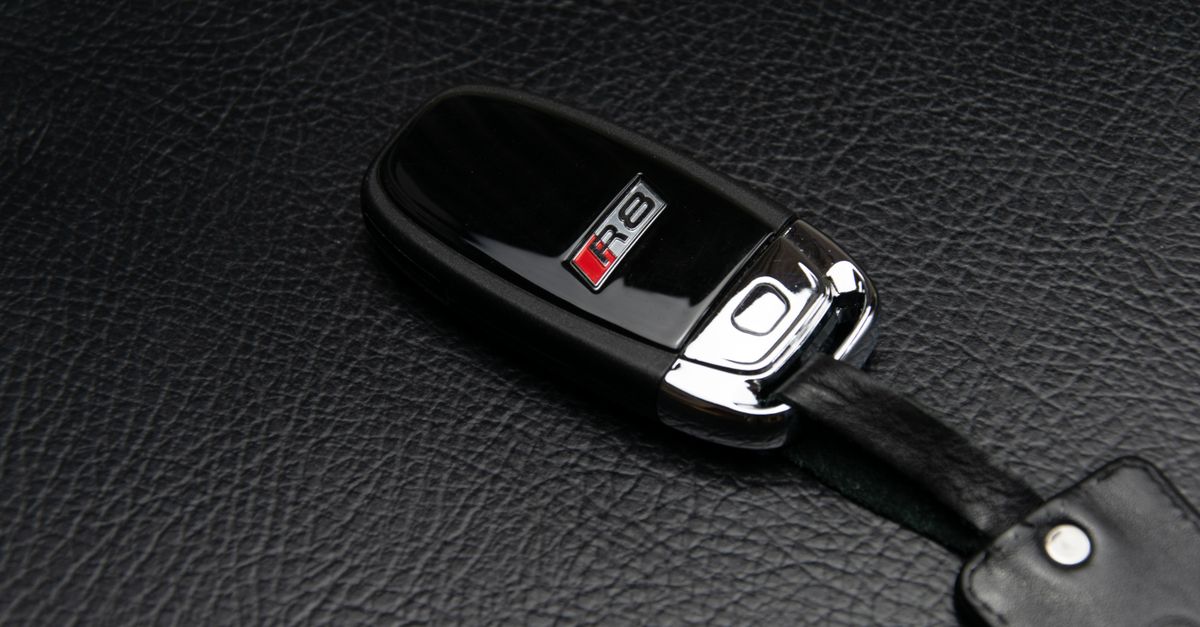
The Audi Key Replacement Process: What Actually Happens On-Site
Modern Audi vehicles don't use a simple metal key — they rely on layered security technology that must be precisely matched to your car's onboard computer. When you call us, a technician will arrive at your location with a mobile key-cutting machine and professional automotive programming software capable of handling the full range of Audi key types: standard transponder keys, remote head keys, proximity smart keys (also called Advanced Key or Comfort Key in Audi's terminology), and key fobs that operate independently of a physical blade. The technician first identifies your vehicle's exact year, model, and trim to confirm which key profile and transponder chip your car requires — this step matters enormously because even two Q7s from different model years can use different immobilizer protocols.
Once the correct key blank is selected and cut to your door and ignition profile using our on-site equipment, the transponder chip inside the new key is programmed directly to your Audi's ECU (engine control unit), syncing with the immobilizer system so the car will start. For smart key or proximity fob replacements, the pairing process is handled through OBD-II diagnostic tools that communicate with the vehicle's network. Throughout every step, our approach is damage-free where possible — we do not force or bypass your ignition or door hardware. If you have a working spare, we use it as a reference to speed up the process. If all keys are lost, we use VIN-based key cutting data to generate a fresh key from scratch.